
DIY Electronics Kits
DIY Electronics Kits – Electronic Kits for Kids, Adults & Beginners
No products found.
DIY Electronics Kits for Learning and Projects
DIY electronic kits for kids and adults offer a practical way to explore electronics through hands-on projects. These kits usually contain electronic components and instructions for building simple working devices. They can help users understand circuits, connections, switches, lights, sensors, and basic automation.
A DIY kit can be a useful choice for students, hobbyists, beginners, and people interested in making electronic projects at home. Different kits are available for different skill levels and project types.
What Do DIY Electronics Kits Include?
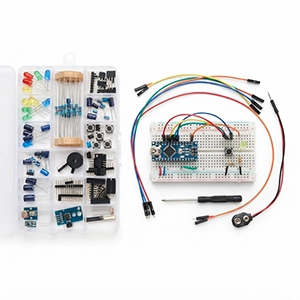
The contents depend on the individual kit. A typical electronic kit box may contain resistors, LEDs, capacitors, wires, switches, circuit boards, sensors, buzzers, and other components.
Some kits focus on one specific project. Others provide multiple components for several experiments. Kits with step-by-step instructions can make the learning process easier for beginners.
Uses in Daily Life
DIY electronics kits can be used to create small working projects and prototypes. Users can experiment with LED lights, alarms, timers, sensor systems, simple robots, and other electronic circuits.
These activities can also demonstrate how electronics are used in everyday devices. Students can apply what they learn to school assignments and science projects. Hobbyists can use the same skills to develop their own circuit ideas.
Who Are DIY Electronics Kits For?
DIY electronic kits for kids are suitable for age-appropriate educational activities. Younger users should use them with suitable adult supervision.
An electronic kit for adults can be useful for hobby projects, electronics practice, prototyping, and learning new technical skills. Students can use these kits to understand practical concepts that are difficult to learn from theory alone.
Beginners should select simple projects with clear instructions. Experienced users can choose kits with sensors, microcontrollers, motors, or more complex components.
Pros and Cons
Pros:
Encourages practical electronics learning.
Useful for DIY and educational projects.
Components can support multiple experiments.
Suitable for different skill levels.
Can improve basic problem-solving skills.
Cons:
Component quality varies between products.
Some kits require basic electronics knowledge.
Instructions may differ in quality.
Advanced projects may need extra components.
Brands and Buying Guide
DIY electronics kits are available from various educational brands, electronics manufacturers, and component suppliers. When looking for diy electronic kits India, compare the project type, included components, recommended age, instructions, power requirements, and component quality.
Choose a kit according to the user's experience and intended project. A simple kit is suitable for beginners, while advanced kits can offer more challenging experiments.