
Robotics Kits
Robotics Kits – Robot Making Kits for School, Beginners & Adults
No products found.
Robotics Kits for Learning and DIY Projects
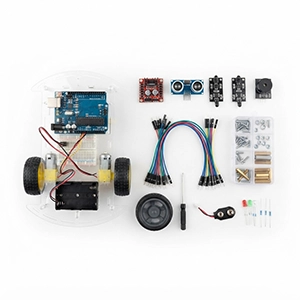
A robotics kit for school provides a practical way to learn robotics, electronics, coding, and basic engineering. These kits usually include parts needed to build and control a small robot. Depending on the model, they may contain motors, wheels, sensors, a controller board, wires, a chassis, and other components.
Robotics kits are useful for classroom activities, science projects, hobby experiments, and technology learning. They allow users to understand how hardware and software work together.
Features of Robotics Kits
A robotics kit for beginners usually includes simple components and instructions for building basic robots. Some kits are designed around Arduino or other programmable controller boards.
Advanced kits may include ultrasonic sensors, infrared sensors, servo motors, Bluetooth modules, motor drivers, and rechargeable power systems. Some models support multiple projects using the same components.
Before purchasing, check the included parts and compatibility. Instructions and programming requirements can also differ between kits.
Uses in Learning and Daily Life
Robotics kits can demonstrate concepts used in automated machines and smart devices. Users can build robots that move, detect objects, follow a line, avoid obstacles, or respond to sensors.
Students can use robotics kits for school science projects, technology demonstrations, and competitions. Hobbyists can also use them to experiment with programming and mechanical design.
These projects can help learners understand sensors, motors, programming logic, and basic automation.
Who Should Use Robotics Kits?
A robotics kit for beginners is suitable for students, teachers, hobbyists, makers, and people starting with robotics. Younger students should use age-appropriate kits with suitable supervision.
A robot making kit for adults can be useful for hobby projects, programming practice, prototyping, and learning robotics concepts. Engineering and technology students may prefer kits with programmable controllers and multiple sensors.
Pros and Cons
Pros:
Combines electronics, mechanics, and programming.
Useful for practical STEM learning.
Supports DIY robot-building projects.
Some kits can be programmed and modified.
Components may support multiple projects.
Cons:
Advanced kits may require programming knowledge.
Assembly can take time.
Some kits need additional tools or components.
Compatibility varies between products.
Brands and Buying Guide
Robot kits India buyers can find products from different educational, robotics, and electronics brands. When choosing a kit, check the controller type, motors, sensors, power source, software requirements, recommended age, and included instructions.
Choose a simple kit for beginners. More advanced users can select kits with programmable controllers and additional sensors.